- Home
- Riprap
Riprap for seawalls in Punta Gorda
Rock piled along the foot of a wall or a shoreline takes the force of wakes and current so the soil and the base of the wall don't. Tell us where you need it and independent local marine contractors quote the work.
Free to ask. We are a referral service, not a contractor.
What riprap does
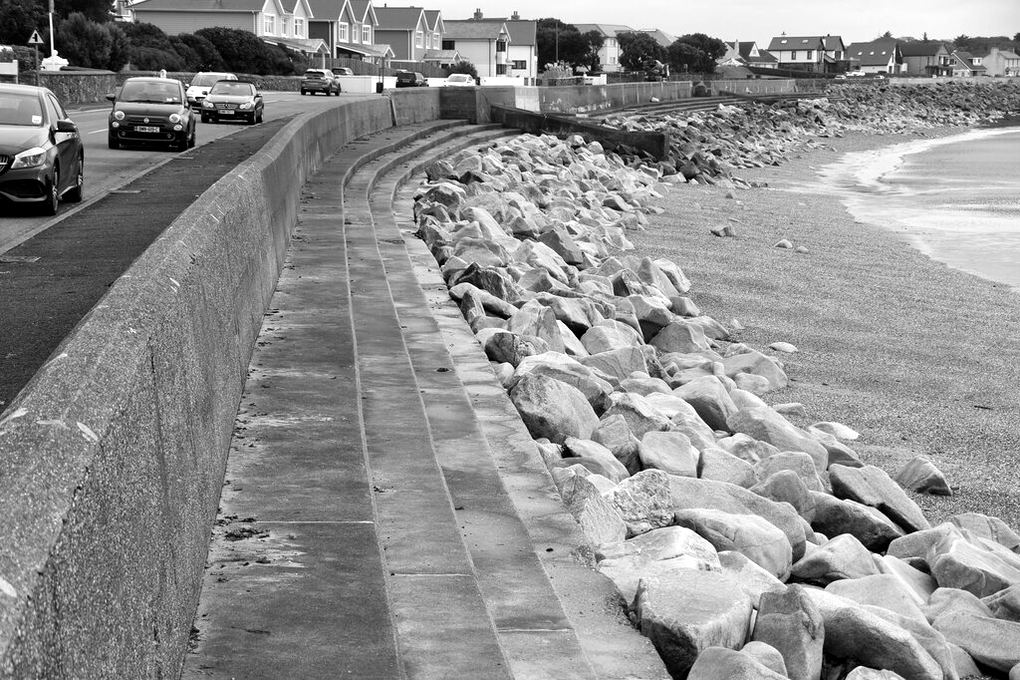
Riprap is loose rock, sometimes called a rock revetment. On a canal it is usually placed at the toe, the foot of the seawall, where wakes and current scour the bottom. Once the base is undermined, the wall loses the ground it stands on, and tie-backs and panels start to carry loads they weren't meant to.
It is used in two main ways:
- At the toe of a seawall, to slow scour and protect the base of the wall.
- Along a shoreline, as the protection itself where there is no wall.
Riprap does not fix a wall that is already leaning or leaking soil. For that, see seawall repair or replacement. A contractor looking at the toe will often see these problems together.
When riprap comes up
Riprap is rarely the first thing an owner asks for. It tends to appear in a quote after a contractor has looked at what is happening at the base of the wall or along the water's edge.
Scour at the toe. Soil or sand disappearing from the base of the wall, or a wall that seems to sit lower or tilt, can mean the bottom is being washed out. Photograph it at low tide.
A shoreline with no wall. Where the bank is eroding and there is no seawall, rock may be quoted as the protection.
After a storm. Storms can scatter or displace the rock along an existing wall or shore. State rules treat restoring riprap after a storm as its own case, with a one-year limit.
Gaps between walls. Where your property sits between and adjoining existing walls, the state rules have a provision of their own for riprap there.
What a riprap quote can include
Expect the quote to say where the rock goes, how much of the shoreline it covers, how the rock gets to the site and who pulls the permits.
We have not found published local prices for riprap work, so we don't give a number. Ask each contractor to quote the same length of shoreline so the quotes can be compared.
Riprap work
- Rock at the toe of an existing wallscour under the base
- Rock along an unprotected shorelineeroding bank, no wall
- Restoring rock moved by a stormwithin a year of the event
Related work
- Seawall repaircracks, joints, tie-backs
- Seawall cap repaircracked or spalling cap
- Seawall replacementwhen repair stops making sense
Methods differ between contractors and sites. These are the kinds of work you'll see named on quotes, not a promise of what your shoreline needs.
What to have ready
None of this is required to ask for a quote. Low-tide photos of the base of the wall show more than anything you can describe.
If your home is in Punta Gorda Isles or Burnt Store Isles, ask the City whether your wall is in its canal maintenance program before you pay for work at the toe.
Before the site visit
About the property
- Street address and canalneeded
- Length of wall or shorelinein feet
- Wall or bankwhich one
- Survey or platif you have one
About the problem
- Photos at low tidebase, bank, yard
- What you've noticedscour, sinking, lean
- Storm damage?which storm
- City or HOA lettersif any
Ready to request quotesabout 3 minutes
Rules for riprap
Florida's rule covers riprap in man-made waterways with conditions, and treats storm restoration as its own case. County rules we can't confirm, so ask the county or your contractor.
Man-made waterways. Rule 62-330.051(12)(a) covers construction, replacement and repair of seawalls or riprap in artificially created waterways. It is an exemption with conditions.
After a storm. Rule 62-330.051(12)(b) covers restoring riprap damaged by a discrete event within the last year, no more than 18 inches waterward of where it was. Get quotes before the year is up.
Between existing walls. Rule 62-330.051(12)(c) covers seawall or riprap construction in wetlands or surface waters between and adjoining existing walls. Confirm with FDEP's district office or your contractor.
County and Army Corps. Ask the Charlotte County building department or your contractor whether the county needs a permit. A U.S. Army Corps of Engineers permit may be needed in navigable or federal waters.
Riprap questions
What is riprap for? It is rock placed at the foot of a seawall or along a shoreline to take wake and current, so the soil and the base of the wall aren't washed out.
Is riprap exempt from FDEP permits? Often, with conditions. Rule 62-330.051(12)(a) covers construction, replacement and repair of seawalls or riprap in man-made waterways. An exemption isn't automatic, so confirm it with FDEP's district office or your contractor.
My riprap was moved in a storm. Can I put it back? Within a year, often. Rule 62-330.051(12)(b) covers restoring riprap damaged by a discrete event in the last year, no more than 18 inches waterward of its old position.
Does Charlotte County require a permit for riprap? We couldn't confirm it, so ask the county building department or your contractor. They should say what applies to your property and who applies for it.
Will riprap stop my wall from leaning? Not by itself. It protects the base from scour. A wall that already leans or loses soil needs the cause looked at, as in seawall repair.
How much does riprap cost? We haven't found published local figures for riprap work, so we don't give one. The price depends on how much shoreline is covered and how the rock reaches it.
Show us the base of the wall. A local contractor quotes the rock.
Photos say it faster
We pass your request to independent local marine contractors who quote you directly. No cost to you, no obligation.